Washington’s Medicaid program, Apple Health, covers braces for eligible patients under 21 when the treatment is medically necessary. Coverage is not automatic. Your orthodontist submits records to the state, the state scores the case, and the state decides. Cosmetic concerns do not qualify. Master Orthodontics accepts Apple Health at both our Bremerton and Port Orchard offices.
That is the version most families want up front. The longer version has some detail worth knowing before you start, including one thing almost nobody tells you. We will get to it.
We are one of very few practices in the Bremerton and Port Orchard area that take Apple Health for orthodontic treatment. We will explain why that is later on, honestly, because the reason matters and because you deserve to know what you are walking into.
Apple Health, Medicaid, and why the name matters
Medicaid is the federal program. Apple Health is what Washington calls its version of it. If you are reading your card or talking to the state, you will see Apple Health. If you are reading a national article, you will see Medicaid. Same thing.
Orthodontic coverage runs through the Washington State Health Care Authority. The rules live in chapter 182-535A WAC, and the working document providers actually use is the HCA Orthodontic Services billing guide. It is dry reading, but it is the actual source, and everything below comes from it rather than from general internet advice.
Who qualifies, and how the state decides
Apple Health covers orthodontic treatment when it is medically necessary, a term the state defines in WAC 182-500-0070. In plain terms, the treatment has to be correcting a real functional problem rather than improving appearance.
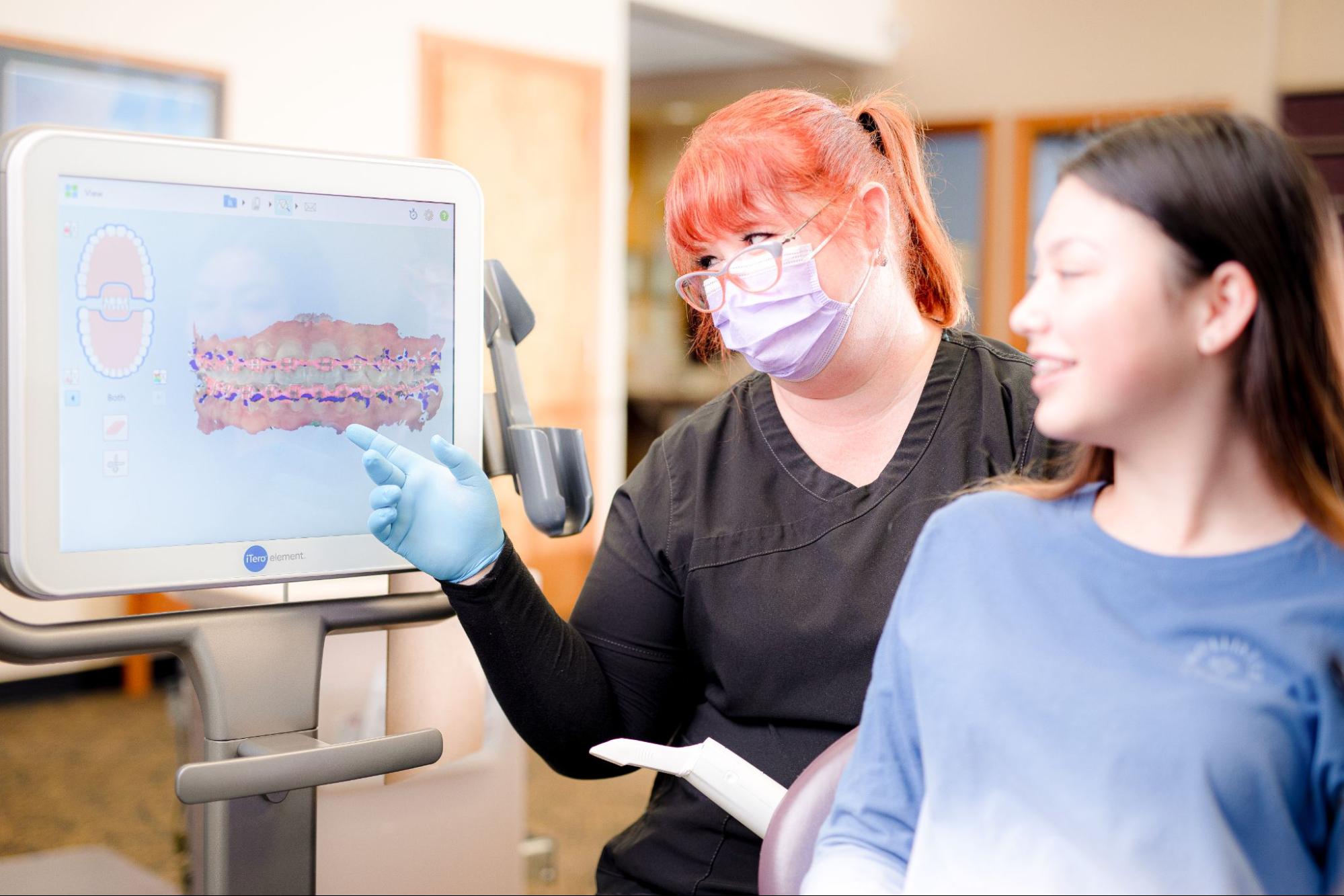
Washington scores severity using something called the HLD index, short for Handicapping Labiolingual Deviation. It is a clinical scoring system. Your orthodontist takes photographs, X-rays and measurements, scores the case against the index, and submits the whole package to the state for prior authorization. If the score clears the threshold, treatment gets approved.
Cases that commonly score high enough involve severe crowding, significant overbite or underbite, crossbite, impacted teeth, or jaw development problems. Cleft lip and palate qualify for medical necessity under state policy.
You do not need to work out your own HLD score. That is our job, and we do it at no cost during your first visit.
What Apple Health covers when a case is approved
- The diagnostic records, meaning the exam, X-rays and photographs
- Traditional fixed braces
- The routine adjustment visits across the course of treatment
One detail that surprises people. The state updated its policy to make clear that fixed appliances are the preferred delivery method. Braces, in other words. If you were hoping Apple Health would pay for clear aligners, it generally will not. That is a state rule and not a practice preference.
What Apple Health does not cover
- Treatment for cosmetic purposes. This is excluded by rule, not by judgement.
- Mild crowding or spacing that does not affect function
- Anything that does not meet the medical necessity definition in WAC 182-500-0070
We want to be direct about one thing. Neither our office nor any other dental provider has any influence over the state’s decision. We prepare the case as thoroughly as we can and we submit it. The Health Care Authority decides. Anyone who tells you they can guarantee an approval is not telling you the truth.
The part almost nobody mentions: what happens if eligibility lapses
Orthodontic treatment usually runs 18 to 30 months. Apple Health eligibility gets reviewed on its own schedule, and it does not always line up with that.
Here is what the state’s own billing guide says. If a patient’s eligibility ends before treatment is finished, the agency stops paying, and the remaining treatment becomes the patient’s financial responsibility. The state does not cover services received during a period of ineligibility, even when treatment started while the patient was eligible.
We are telling you this before you start rather than eighteen months in. Keep your Apple Health renewal current. Watch for the letters. If something changes with your household situation, tell us early so we can plan around it instead of reacting to it.
If it does happen, come talk to us. We will work something out. But the honest position is that we would rather it never happens, and that starts with you knowing the rule exists.
Why so few orthodontists take Apple Health
You have probably noticed that finding an orthodontist who takes Apple Health is harder than it should be. Some practices in Washington say outright on their websites that they do not accept Medicaid or state insurance and suggest you go find someone who does.
We are not going to pretend that is inexplicable, because it is not. Apple Health reimbursement does not cover the full cost of comprehensive orthodontic treatment. That is just true.
A course of braces means a trained clinical team, imaging and technology, appointments every few weeks for a year and a half or more, brackets and wires and supplies, emergency visits when something breaks at nine at night, plus the rent and the utilities and the regulatory overhead that come with running a specialty practice. When the reimbursement lands short of that, participation becomes a decision each office has to make deliberately.
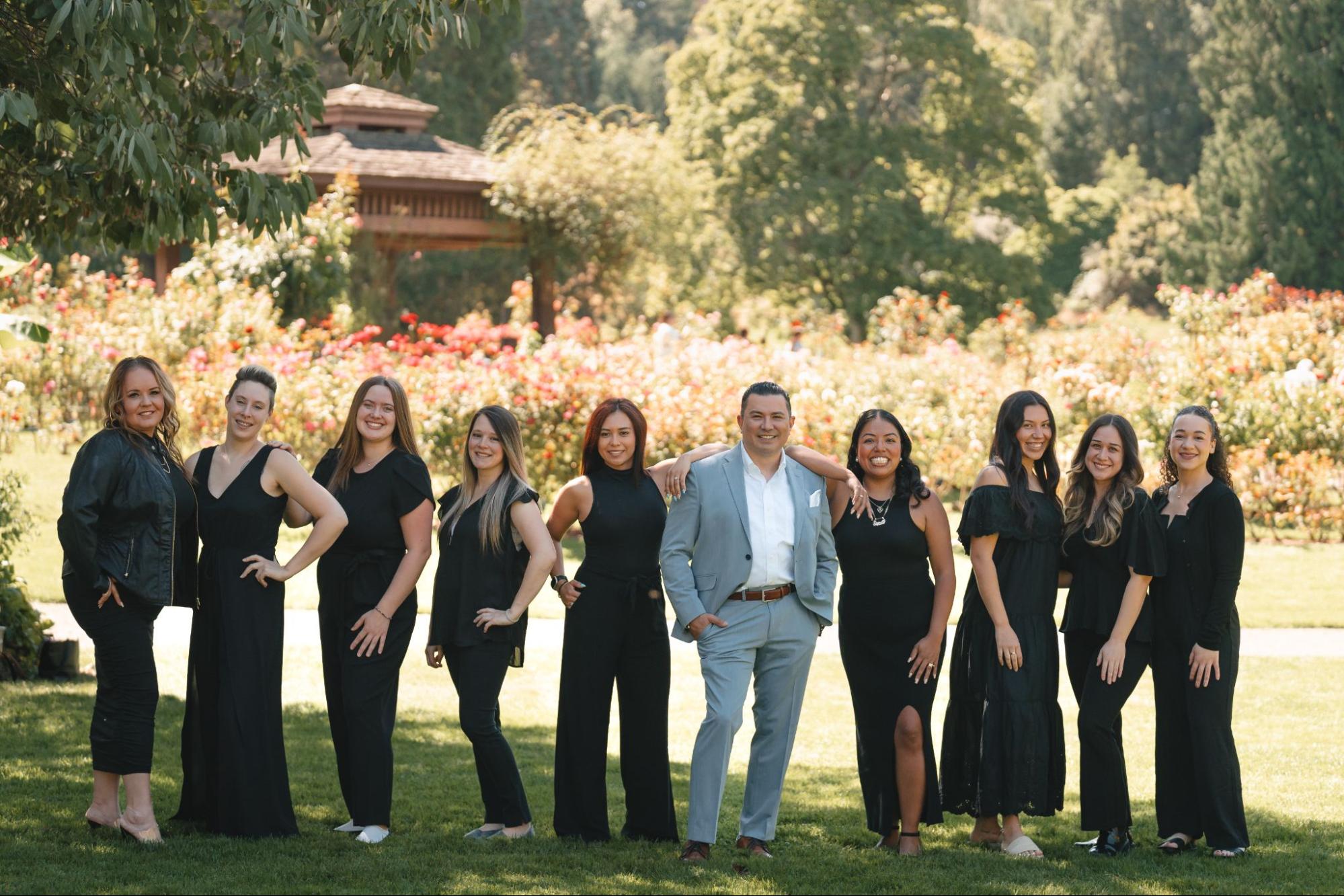
Dr. Caballero made the call a long time ago that we would take the shortfall. Not because it pencils out, but because the alternative is a kid in Kitsap County with a bite that needs fixing and nowhere to go. It takes planning and it takes effort and we stand behind it.
We mention it only because you should understand why your options are limited. It is not you. It is the math.
If Apple Health says no
A denial is not the end of it. Sometimes a case can be strengthened and resubmitted. Sometimes the answer is that treatment is genuinely elective, in which case we will say so rather than sell you something.
Either way, there are other routes.
- 0% in-house financing
- Monthly payment plans built around your budget
- CareCredit for those who qualify
- Family discounts
- Help coordinating any private dental insurance you have
- Complete pricing up front with nothing added later
Families are often surprised at how manageable it becomes once it is spread across treatment. We wrote more about that in our guide to affordable orthodontic treatment in Bremerton.
If your child is young, come early
The American Association of Orthodontists recommends a first orthodontic check-up by age seven. That is not a sales pitch. It is the age when enough permanent teeth have come in to spot developing problems, and most kids seen at seven need nothing yet.
It matters more when Apple Health is involved. Functional problems documented early are easier to evidence than the same problems noticed at fourteen. If you are wondering, come in. It costs nothing and it might save you years. More on that in our piece on why children should see an orthodontist by age seven, and in our overview of orthodontics for children.

How the process works with us
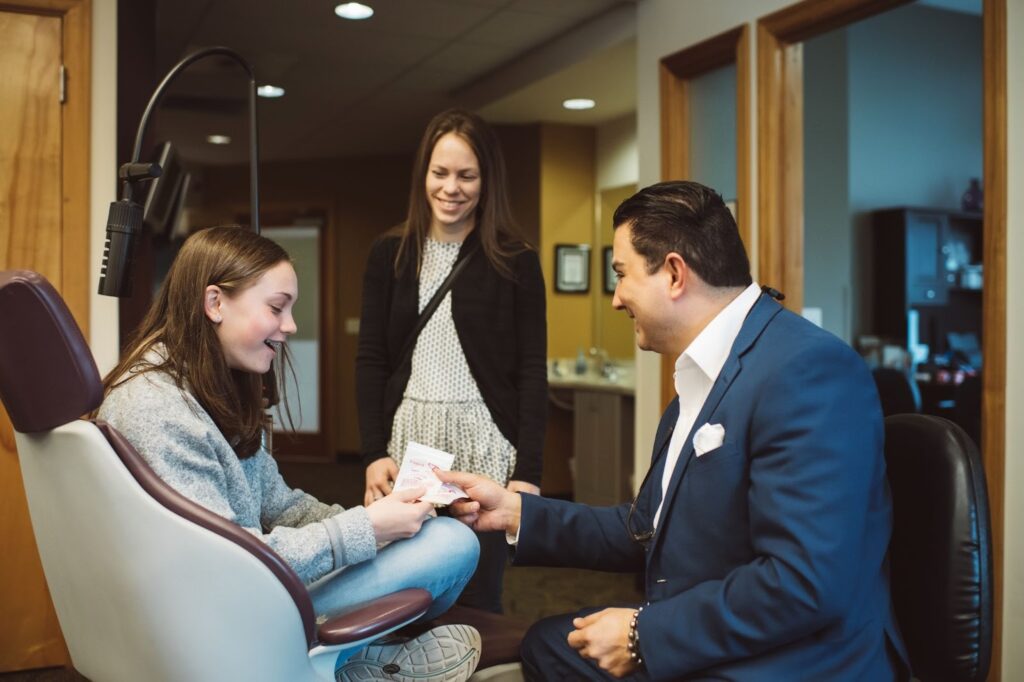
- Free smile analysis. Dr. Caballero examines your child, we take the X-rays and photographs, and we talk through what treatment would actually involve. No cost, no obligation.
- We build and submit the prior authorization. The HLD scoring, the documentation, the paperwork, the back and forth with the Health Care Authority. That is ours to handle, not yours.
- The state decides. We call you either way and explain what the decision means.
- We plan from there. Approved, and we schedule. Denied, and we sit down with the other options.
You can see us at our Bremerton office on NE Fairgrounds Road or our Port Orchard office on Pottery Avenue. Here is what a first visit looks like if you want to know before you come.
Book your free smile analysis
If you are on Apple Health and you have been putting this off because you assumed the answer was no, come find out. It costs you nothing and it takes one appointment.
Request your free smile analysis with Dr. Caballero, or call our Bremerton office at 360-692-4811 or our Port Orchard office at 360-895-9099.